

Essential Tips For Residential Solar Installations

February 17, 2024
As the world increasingly shifts towards sustainable energy sources, residential solar installations have emerged as a popular and practical solution for homeowners looking to reduce their carbon footprint and energy costs. With advancements in solar technology and a growing focus on environmental responsibility, solar panels have become more efficient and accessible than ever before. This trend not only empowers individuals to harness the sun’s energy but also contributes to a larger movement towards renewable, clean energy.
In this article, we will explore the benefits and challenges of residential solar installations, the different types of solar systems available, and the financial incentives that can make the transition to solar energy more feasible. By examining the current landscape and future potential of solar power in residential settings, we aim to provide homeowners with valuable insights to help them make informed decisions about their energy resources.
Benefits of Residential Solar Installations
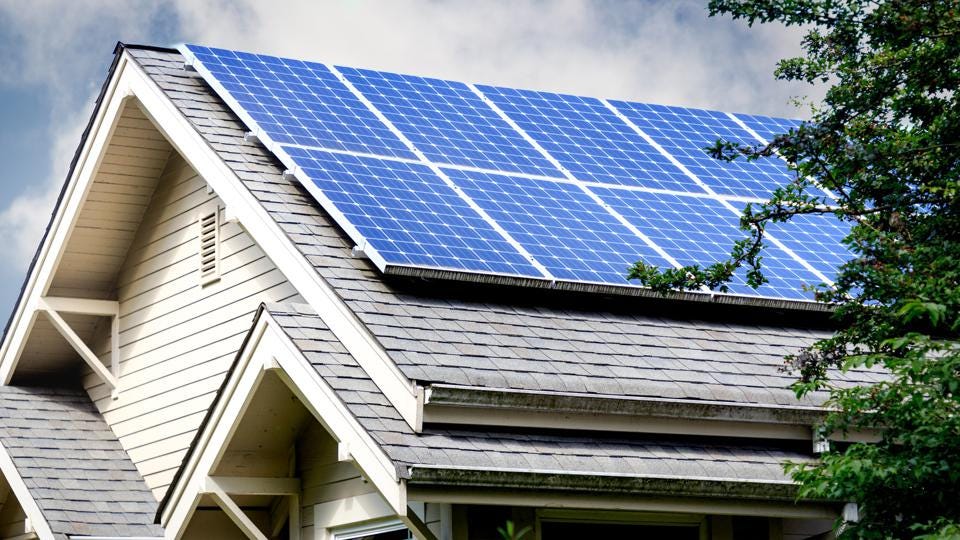
Residential solar installations offer numerous benefits, leading to significant savings on energy bills while promoting environmental sustainability. By harnessing the sun’s energy, homeowners can reduce their dependence on traditional fossil fuels and minimize greenhouse gas emissions. Additionally, many regions provide financial incentives and tax credits that can greatly offset the upfront costs of installing solar panels. For those looking to explore these financial benefits further, a resource such as How to Save Big on Residential Solar Installations can provide valuable insights into local incentives that make solar technology more accessible.
Challenges of Solar Adoption
While the advantages of residential solar systems are compelling, potential adopters must also consider several challenges. The initial installation cost can be a hurdle for many homeowners, despite the availability of financing options. Additionally, not all homes are ideally suited for solar energy due to factors such as insufficient roof space or less-than-optimal sun exposure. There is also the matter of ongoing maintenance and potential degradation of solar panels over time, which can contribute to long-term costs. Understanding these challenges is crucial for homeowners to ensure that the transition to solar is both practical and sustainable for their specific situation.
Ultimately, the decision to invest in residential solar installations hinges on a careful assessment of both benefits and challenges. Homeowners must weigh the potential for long-term savings, energy independence, and environmental impact against the initial costs and suitability of their property. With proper research and consideration, many can find a solar solution that aligns with their financial goals and personal values. As technology continues to advance and awareness of climate issues heightens, the adoption of solar energy in residential settings is poised to grow, solidifying its role as a cornerstone of a sustainable energy future. The transition to solar power is not just a financial investment; it’s a commitment to a greener planet and a sustainable way of life for generations to come.